
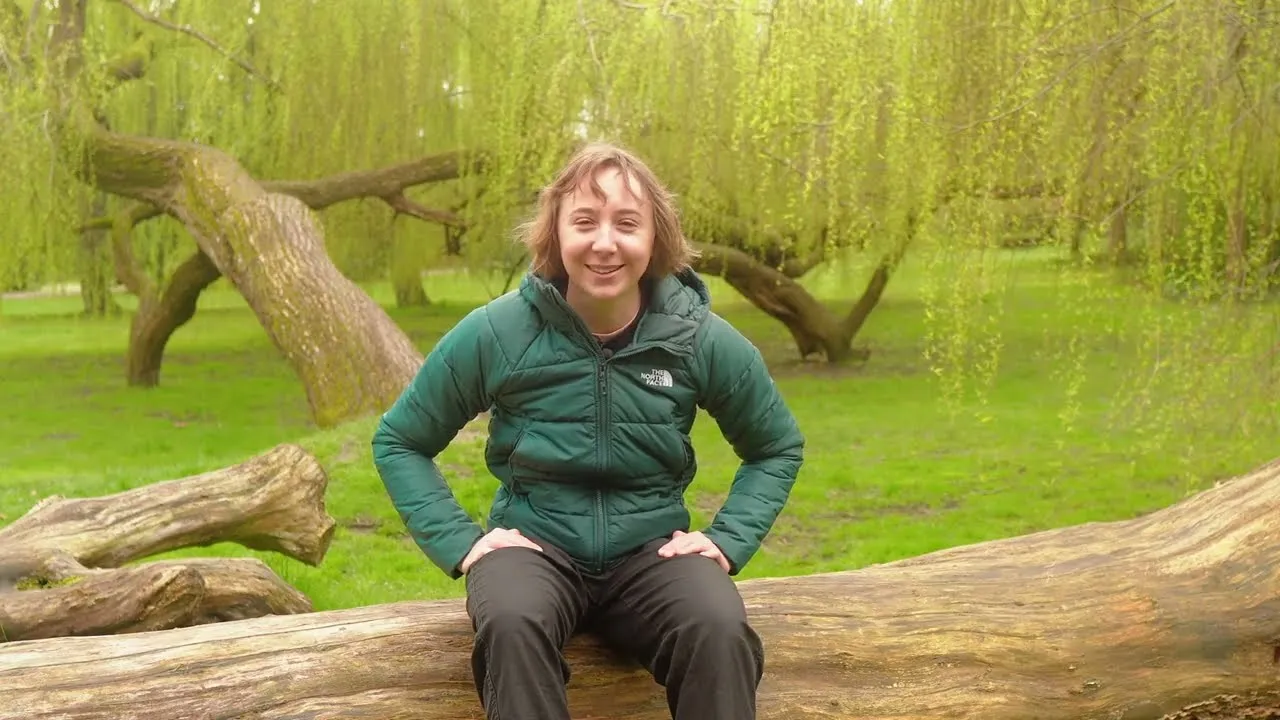
Grace Sargeant is a first category road rider with London Academy. Originally from South Africa, she came to cycling through a ride across the United States, and four years later she was lining up for National Series races. We sat down before her first proper race of the season to talk about learning to race, fuelling, process goals and building confidence.
Watch: Saddle Up With… Grace Sargeant. First published on YouTube on 16 March 2026. More on our YouTube channel.
From track running to bike racing
Grace ran track at university level in South Africa. Injuries kept getting in the way of a national-level running career, and when she moved to the UK she wanted something to fill the summer in between.
"I did this trip where I cycled across the US. I think I was kind of searching for something. And when I was cycling across the US, I just fell in love with cycling."
The idea of racing came on that trip, even if she didn't know what it would look like. Back in London she found a local crit and gave it a go. From there it was a team, road races, and a jump to the National Series.
Why the team matters
Grace is clear that she wouldn't have tried the bigger races without London Academy, the team run by Sarah King.
"Being in a cycling team is a healthy environment where everyone's supporting each other. It's just a wonderful gift."
Before her first National Series race, Sarah told the riders not to worry if they didn't finish. Grace found that strange at the time. Looking back she is grateful for it, because at that level anything can happen: you can be pulled, puncture, or ride round a corner into a flying bottle.
Road racing is a thinking game
Moving from local crits to road racing was a big step.
"The first road race was kind of like, oh, I need to fight for position. I need to actually think about what I'm doing. I can't just use my legs. I need to use my brain as well."
Ask her what people who haven't raced get wrong and the answer is the same. Strength matters, but the rider who reads the race, knows when to attack and can tell whether a break will go is the one who does well.
Her race craft is coming from preparation as much as experience. She reads the start list to work out which teams want what and who is likely to attack, and studies the course map to see where the decisive moves will happen. In the bunch, the skill she is working on is choosing the right wheel and staying on it.
Process goals over results
Going into her first road races, Grace would have said she wanted a top ten. A full season changed that.
"Process goals helped me to learn how to race, because there's so much in a race that you can't control. Having those process goals reminds me that I'm going into the race to learn how to race."
She sees progression as a series of improvements rather than a series of wins, while recognising that teams at the next level need results. The aim is to have both, and to keep the supportive ethos she has found at London Academy as she moves up.
Fuelling made the difference
Her first National Series race taught her a hard lesson.
"I forgot to eat any gels because it's really difficult to take your hands off the bars. So I had a massive bonk about three quarters of the race."
Fuelling has since become one of the biggest changes in her training. She now mixes her own drink, maltodextrin and fructose in a 2:1 ratio, with around 70 to 80 g of carbohydrate per bottle and two bottles per ride. The benefit shows up after the ride too: she gets home less tired and can do the rest of the week's sessions properly.
If you want to work out your own numbers, our nutrition calculator does the sums.
A winter of longer rides
This was Grace's first winter with a coach. The big change was volume at the weekend, from around three hours to four or five. Some long rides include efforts early on that are repeated at the end, to train fatigue resistance for three and four hour races.
She was also surprised by what British racing actually asks for.
"I found the short efforts are really important. The one minute and five minute powers are really important in racing."
She reflects with her coach through TrainingPeaks comments, race debriefs and a monthly check-in, and she likes having power targets to aim for because it makes training fun.
Learning from what doesn't work
A breakaway with Anna from FTP in a Team Cup race changed how she races. Grace expected the bunch to catch them at any moment. It never did.
"I'd sit in a race and see someone else go for it and think, that's not going to work, I'll stay here and be comfy. But actually having that mindset of, oh, I can go for it, I can try and make moves, encouraged that within myself."
She is honest that she fails more than she wins, and that emotions run high when you are racing at your limit. What matters is taking the lesson into the next race. "There's always next week."
The rider she's building
Before races she stops during her warm-up to think about the people and the things that matter to her, and takes them onto the start line. Once the race starts, it's full gas.
Asked what she hopes to say at the end of the season, her answer was simple: that she enjoyed it, grew as a rider and feels comfortable racing. The trait she is building above all is confidence.
Thanks to Grace for her time, and good luck for the season.
Saddle up.